
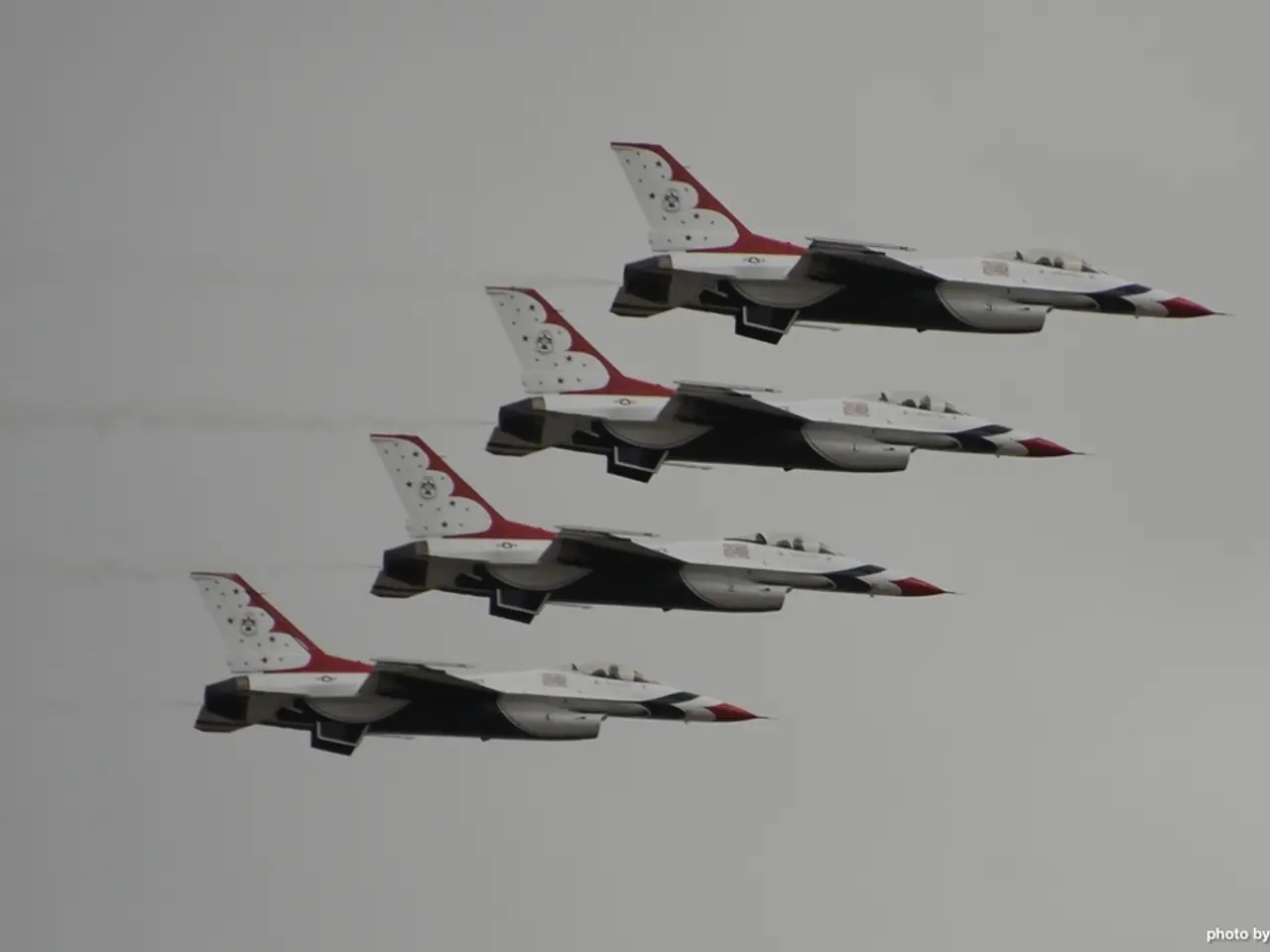
Germany permits exports of Eurofighter jet fighters to Turkey
In a significant development, Turkey has moved one step closer to purchasing 40 Eurofighter Typhoon combat jets, following approvals from Germany and the UK. The final contract, however, is still subject to further negotiations, particularly over pricing and technical details.
The decision to equip Turkey with Eurofighter Typhoons is seen as a boost to NATO’s collective defence, enhancing Turkey’s aerial capabilities amid regional tensions and reinforcing the alliance's southern flank. British Defense Secretary John Healey emphasized that the deal would also boost the industrial bases of both the UK and Turkey, implying positive economic and employment benefits, particularly for the British aerospace sector.
The Eurofighter program supports British jobs in aerospace manufacturing and defence technology, with BAE Systems, responsible for final assembly of the jets in the UK, welcoming the agreement. Large-scale sales could potentially increase employment within this strategic sector, securing thousands of jobs in the sector in Britain.
The Turkish government, eager to diversify its defence capabilities, has expressed a desire to buy 40 Eurofighters, assembled in Britain. The deal, if executed, is estimated to be worth over a billion dollars and could provide both economic and strategic benefits for the UK.
Notably, the Turkish opposition leader Ekrem Imamoglu, who was imprisoned in March, called on the German government not to block the delivery of the Eurofighters. Turkey was originally part of a program to develop the US F-35 combat jet, but was excluded after purchasing the Russian S-400 missile defence system in 2017.
The arms deliveries to Turkey, a NATO partner, have risen to over 230 million euros last year under the current German government, which is the highest level since 2006. The German Economics Ministry, under Green politician Robert Habeck, approved torpedoes, guided missiles, and submarine components in larger quantities for Turkey in September.
Chancellor Friedrich Merz of Germany has spoken to British Prime Minister Keir Starmer about the arms deal, and Merz also spoke to Turkish President Recep Tayyip Erdogan about the billion-dollar deal. The British Prime Minister stated that the deal with Turkey would secure 20,000 jobs for years to come.
The Turkish Ministry of Defense has clarified that the acquisition of the Eurofighter is not related to the discussion around the F-35 jets. If executed, the deal would enhance NATO’s deterrent capability and would not involve the US F-35 combat jets.
In summary, the preliminary agreement between Turkey and Britain, coupled with Germany's approval, marks a significant step towards Turkey's purchase of 40 Eurofighter jets. The deal, if finalized, is expected to boost NATO’s defence posture, Turkey’s regional capabilities, and the British economy, particularly the aerospace sector.
The British defense secretary, John Healey, highlighted that the Eurofighter deal could support the industrial bases of both the UK and Turkey, potentially increasing employment within the strategic aerospace sector, particularly in Britain. Meanwhile, the Turkish government's aspiration to buy 40 Eurofighters, if realized, is projected to be worth over a billion dollars, which could offer economic benefits for the UK.




