
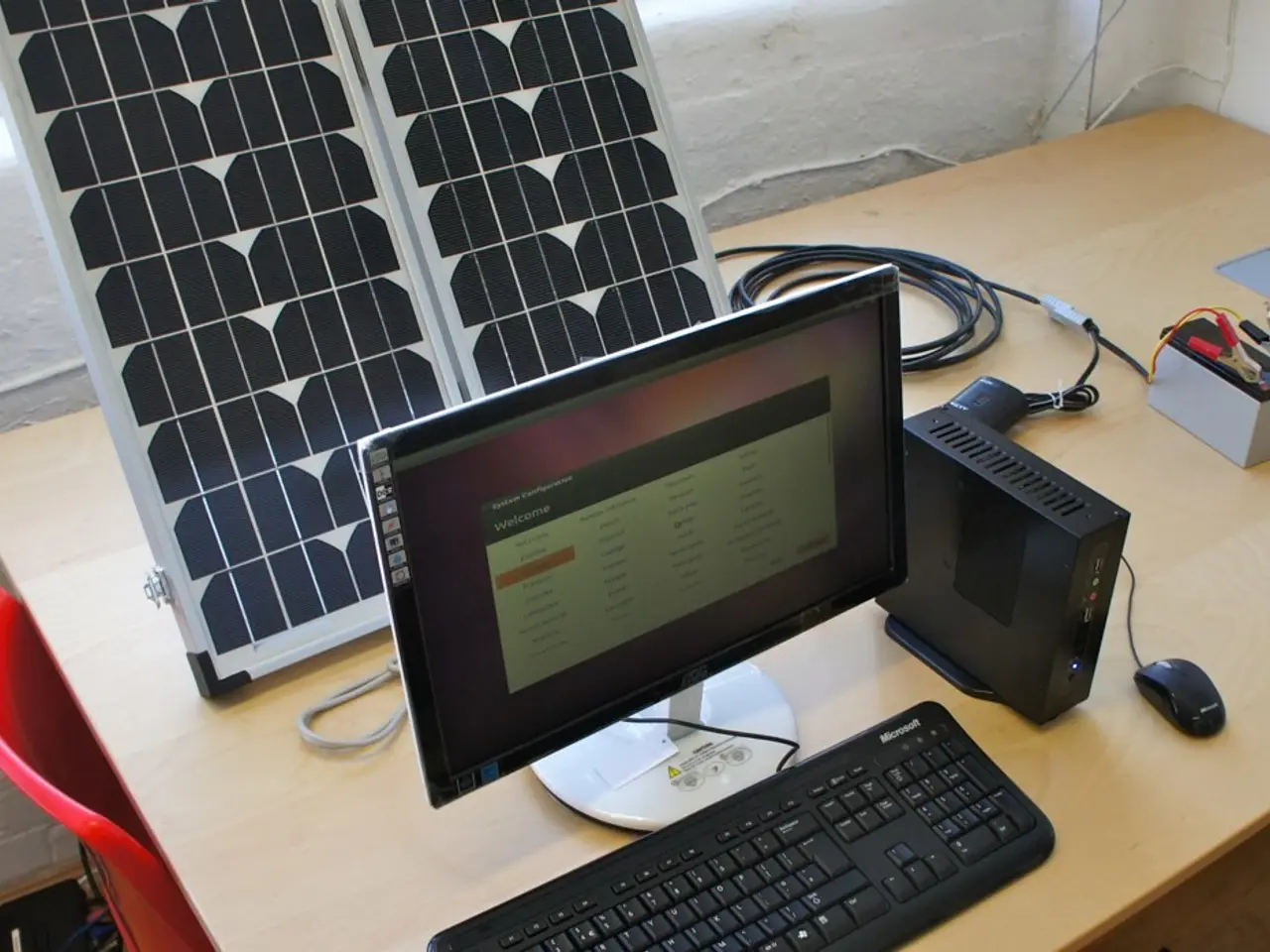
Harness Self-Sufficiency through Solar Power Autonomy
In the pursuit of energy independence and environmental stewardship, designing a solar energy system is an exciting endeavour. By carefully selecting and integrating key components and considering essential factors, you can create a reliable, efficient, and cost-effective solar power solution.
## Key Components
The primary component of a solar energy system is the solar panel, which converts sunlight into electrical energy. Panel efficiency, type (monocrystalline, polycrystalline, thin-film), and build quality are crucial for performance and longevity. Mounting systems secure panels to rooftops or ground-based structures, while inverters convert direct current (DC) from panels into alternating current (AC) for home use. Modern inverters often feature advanced technologies like Maximum Power Point Tracking (MPPT) to optimize energy output.
Charge controllers are essential for off-grid or hybrid systems, managing charging to batteries and protecting them from overcharging or deep discharge. MPPT controllers are more efficient than PWM types. Battery storage, while optional, is recommended for true energy independence, as it stores excess energy for use during low sunlight periods. Lithium-ion batteries have become the leading residential storage technology.
Electrical wiring and balance of system (BOS) components ensure safe and efficient energy distribution, including wiring, fuses, switches, and connectors.
## Key Factors to Consider
### System Efficiency
Select components with high efficiency ratings (e.g., panels >15% efficient) to maximize output per unit area.
### Cost
Evaluate both upfront costs (panels, batteries, inverters, installation) and ongoing expenses (maintenance, replacement parts).
### Durability and Lifespan
Opt for robust components capable of withstanding local weather (wind, snow, hurricanes) and with long lifespans (>25 years for panels).
### Regional Factors
- **Sunlight Availability:** More sunlight means fewer panels needed, reducing costs. Regions with lower irradiance require more panels or higher efficiency models. - **Climate:** Extreme weather necessitates more durable mounting and possibly additional safety measures. - **Local Incentives and Regulations:** Take advantage of regional incentives, tax credits, or rebates, and be aware of permitting requirements.
### Electrical and Structural Design
- **Structural Design:** Must withstand environmental forces and accommodate installation logistics, drainage, and access. - **Electrical Design:** Optimal layout of panels, inverters, and wiring to minimize voltage drop, cable length, and loss.
### Energy Management and Optimization
- **MPPT Technology:** Ensures panels operate at their maximum power point for optimal energy harvest. - **Load Management:** Balance energy production with household consumption and storage needs.
### Scalability and Future Expansion
Design with future growth in mind, allowing easy addition of more panels or batteries as needs change.
By carefully considering these components and factors, a solar energy system can be designed and optimized to achieve reliable energy independence. The efficiency of solar conversion is affected by factors such as orientation and tilt angle of panels, weather conditions, and panel quality. Today's monitoring systems provide real-time performance data on smartphone apps, and inverters act as the brains of the system, converting DC power from the panels into AC electricity for home use.
High-efficiency monocrystalline panels are ideal for smaller installations with limited space, while polycrystalline panels are less expensive for larger installations. A proper site evaluation is crucial for solar system installation success, including roof pitch analysis, shade studies, and determining the best panel locations. Grid-connected solar systems provide the highest reliability without the expense of adding batteries. Households are seeking ways to control their power supply and bills, with solar becoming an increasingly attractive option. Modern solar systems allow households to choose a level of independence from the grid, up to being completely off it. Annual system inspections are necessary to ensure electrical connections and mounting hardware are secure and the system is sound.
Net metering rules and financial returns vary greatly from place to place, so it's essential to research the specifics in your area. Embracing solar power can lead to energy independence and long-range environmental stewardship. The first step toward energy independence is conducting an energy audit of your home and consulting with certified solar professionals.
- The integration of high-efficiency monocrystalline solar panels and advanced technologies like Maximum Power Point Tracking (MPPT) inverters can improve the efficiency and performance of a solar energy system.
- To achieve long-term energy independence, factors such as system efficiency, durability, regional characteristics, electrical and structural design, energy management, scalability, and financial considerations must be thoroughly evaluated.
- By strategically incorporating key components, like lithium-ion batteries and MPPT charge controllers for off-grid or hybrid systems, households can store excess energy for use during low sunlight periods, ensuring a reliable power supply.




