
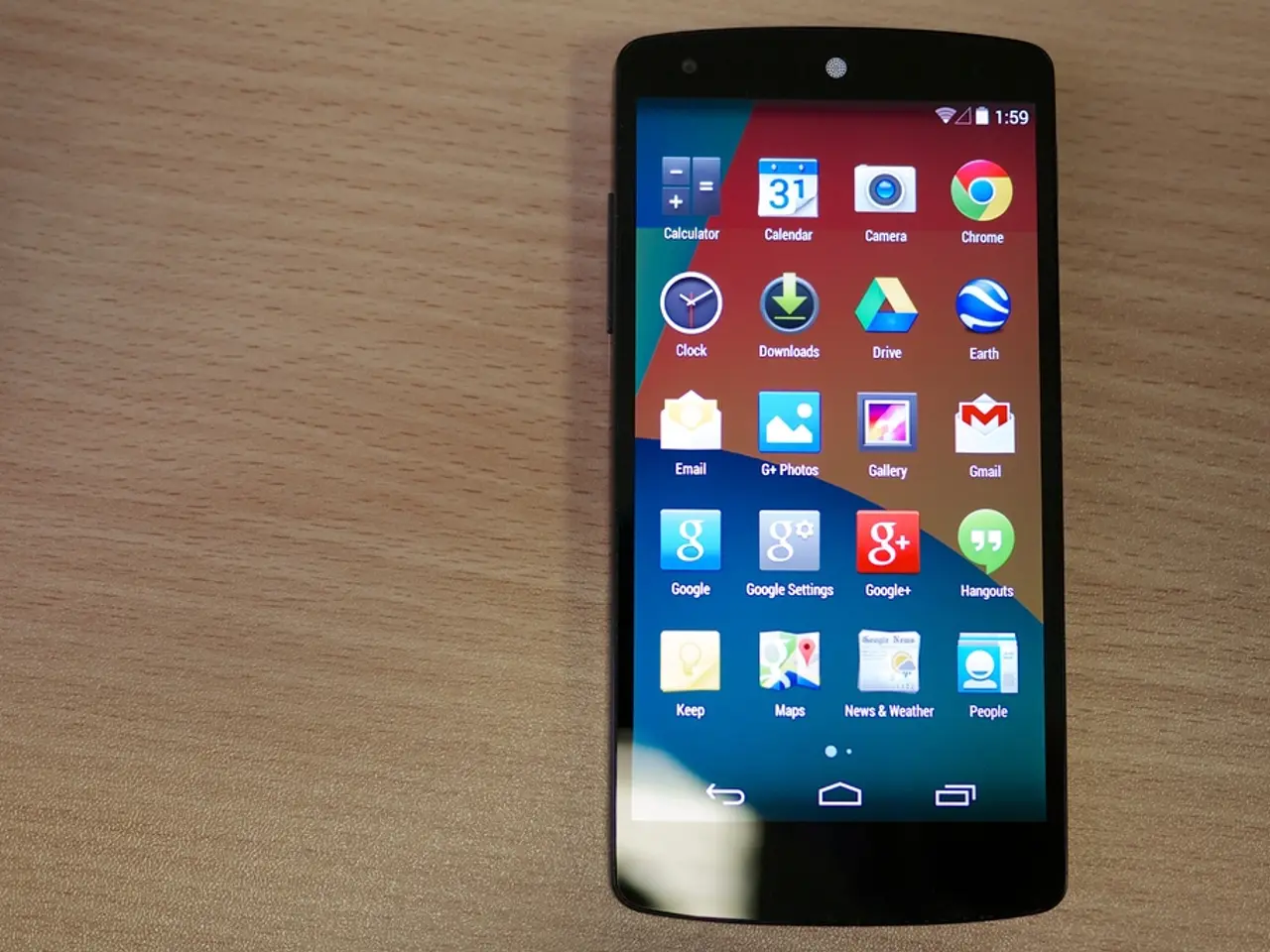
Pioneers in mobility are propelling contemporary enterprises forward
A mobile-optimized workforce, which includes remote and flexible work arrangements, is becoming an essential component for businesses aiming to enhance productivity, attract top talent, and foster innovation. This shift towards mobility offers a range of benefits, but its impact varies across different age groups.
Boosting Productivity
The shift towards remote work has resulted in increased productivity for many employees. According to various studies, around 77% of employees report higher productivity when working from home, citing reduced stress from commuting and greater control over their work environment [1]. Some companies have even observed productivity boosts of up to 40% after shifting to remote work [1]. Hybrid or remote setups can increase team productivity by over 60% compared to prior periods [5]. The majority of executives trust remote workers to be productive, supporting organization-wide adoption.
Attracting Talent and Enhancing Retention
Mobility and flexible work options attract a broader talent pool, improving hiring effectiveness. Predictive analytics combined with mobile work strategies help optimize salary and benefits, matching employee needs to increase job satisfaction and reduce turnover [2]. This strategic tailoring enhances employee loyalty and saves costs on rehiring. Mobile work enables more inclusive hiring practices and supports diversity and inclusion programs by providing more diverse and geographically dispersed candidates [2].
Fostering Innovation
Although direct quantitative data is sparse, mobility can influence innovation through more diverse, inclusive teams and by reducing barriers for younger workers to contribute. However, ageing populations might reduce dynamism and entrepreneurship, potentially impacting innovation negatively if older managerial layers limit younger employee experience opportunities [4]. Conversely, mobility may support innovation by enabling flexible collaboration and access to a wider talent base.
Age-Related Distribution of Benefits
Younger employees (18-34) engage slightly less in remote work than middle-aged groups (35-54), with older workers (55+) also participating significantly (27%) [1]. Ageing tends to reduce labor mobility, which can limit productivity growth and innovation due to fewer job changes and slower reallocation of human capital [4]. Older employees might experience fewer direct benefits from mobility due to lower adaptation or different preferences but might benefit indirectly through technologies that enable maintaining productivity. Younger workers generally gain more from flexible mobility options as they are more dynamic, with greater entrepreneurial potential potentially fostered by increased mobility and access to opportunities [4].
In conclusion, a mobile-optimized workforce boosts productivity substantially, improves hiring and retention through flexible benefits and inclusion, and has mixed but overall supportive effects on innovation. However, age differences cause uneven benefit distribution, with younger and middle-aged employees leveraging mobility more fully, while ageing populations may inhibit some innovation and productivity gains without additional supportive measures [1][2][4][5].
Leading-edge mobile-optimized companies are also better at supporting anywhere-anytime workspace designs like hot desking. Optimizing workplace mobility is now a strategic imperative for corporate success.
- To further enhance productivity, some businesses are integrating finance solutions within their mobile-optimized workforce, allowing for seamless management of work and financial affairs, thereby further reducing work-related stress.
- The integration of advanced technology within the business landscape, such as AI, machine learning, and cloud-based services, can strengthen the impact of mobility on fostering innovation and attracting top talent, thus creating a competitive edge in the fast-paced technology-driven commercial world.




