secret operations during the Cold War reveal questionable incorporation of illicit blueprints in the creation of supersonic civilian aircraft
In the realm of aviation history, the Soviet Tu-144 and the British-French Concorde have long been entwined in a debate over their similarities and potential connections. Often referred to as the "Concordski," the Tu-144's design bore a striking resemblance to its Western counterpart, leading to accusations of espionage and claims that the Soviet aircraft was a Concorde clone.
Key evidence supporting this theory includes the notable outward similarity between the two aircraft, allegations of Soviet intelligence stealing Concorde blueprints, and contemporaneous Western commentary. The Tu-144, however, had several technical differences that suggest a rushed and less refined copy rather than a wholly original design.
The Tu-144's design, while resembling Concorde in general shape and concept as a supersonic passenger airliner, was cruder in its initial prototype. Western European journalists and some sources claim that Soviet intelligence stole Concorde blueprints to assist in the development of the Tu-144, pointing to the aircraft's heavier powerplant, longer engine intake, and the need for afterburning for cruising as evidence.
The Tu-144's simpler wing design caused poor low-speed control, and it required braking parachutes to land, further indicating a less advanced design. The term "Concordski" itself, a portmanteau combining "Concorde" and a Russian suffix, was coined by Western journalists to highlight this perceived copying.
However, it's important to note that while the Tu-144 shared design elements with the Concorde, it also had distinct features such as its drooping nose and the use of canards. Soviet spies were caught with Concorde blueprints, but their impact on the Tu-144 development was limited.
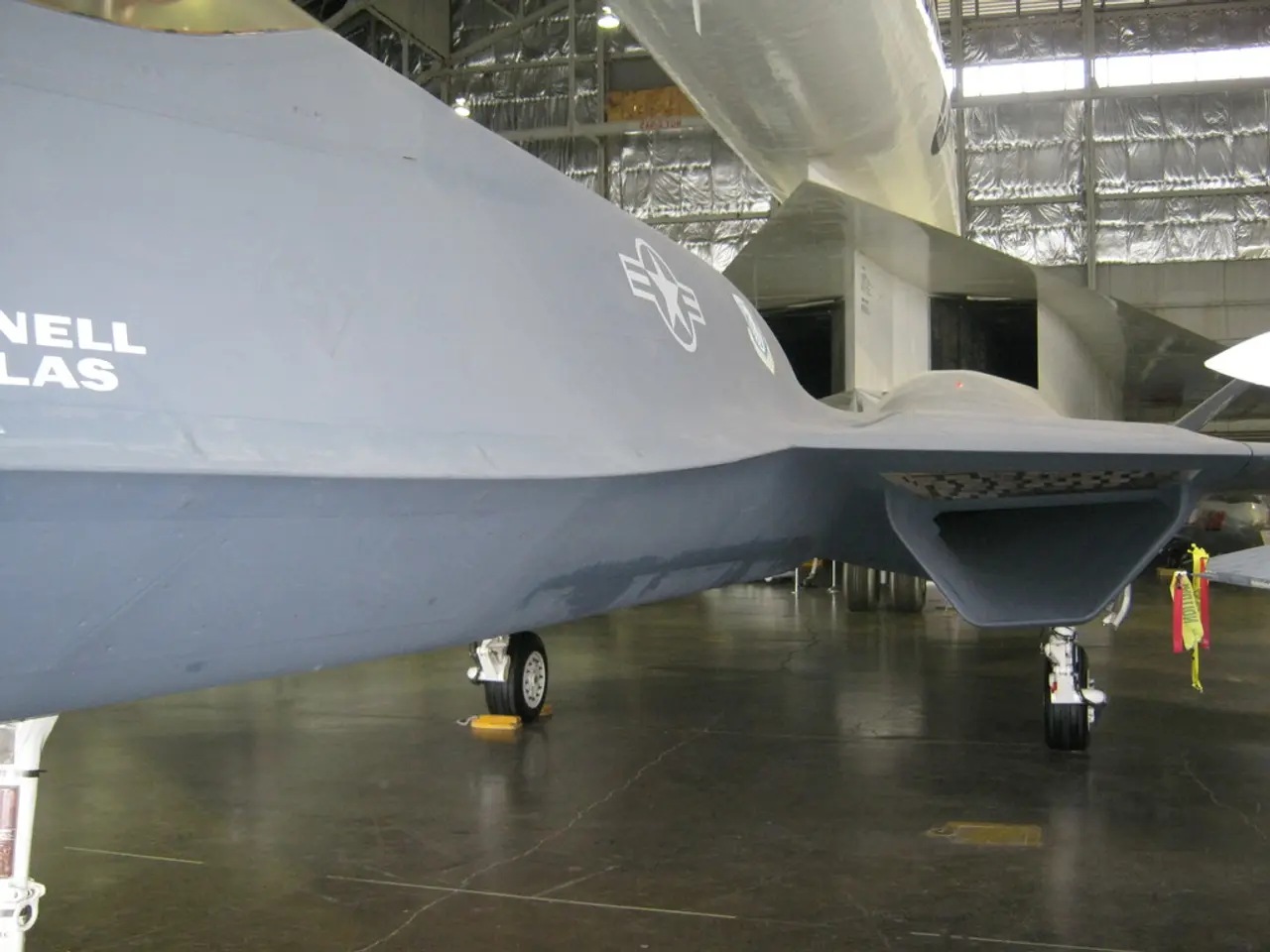
Fast forward to the present day, and the race for supersonic flight for airliners is once again in the spotlight. The Lockheed Martin X-59 Quesst, a low-boom flight demonstrator being built for NASA, aims to address the sonic boom and fuel usage issues associated with supersonic flight. If successful, the X-59 could pave the way for a new era of supersonic travel, potentially giving Lockheed a victory after the L-2000 lost to Boeing decades ago.
As we look towards the future, it's worth reflecting on the past and separating myth from reality when it comes to the Tu-144 and the Concorde. While the Tu-144 may have been influenced by the Concorde to some extent, it was also a unique and complex aircraft in its own right, with its own set of challenges and achievements. The history of these iconic supersonic airliners serves as a testament to the ingenuity and ambition of humanity in pushing the boundaries of aviation.
[1] Source: Concorde: The Race for Supersonic (Channel 4 documentary)
The Tu-144's design bore striking resemblance to the Concorde, fueling speculation about espionage and the possibility of it being a Concorde clone. The similarities, coupled with allegations of Soviet intelligence stealing Concorde blueprints, have been key evidence supporting this theory.
Despite sharing design elements with the Concorde, the Tu-144 had several technical differences that indicated a rushed and less refined copy, such as its heavier powerplant, longer engine intake, and the need for afterburning for cruising.